22-Momme Mulberry Silk
Velvyy Silk Pillowcase — 22-Momme Mulberry
The 22-momme pure silk pillowcase your hair and skin have been asking for.
22-momme Grade 6A mulberry silk pillowcase with an envelope closure — no zip near your face — in six sizes from Standard (20×26 in) to 50×90 cm, and twelve colours. Machine washable cold. Free US shipping and a 30-day guarantee.
From
$46.99 USD
$72.99 USD
Save $26.00 USD
🎁 Buy 2 same size · 2nd 10% Off
- Reduces frizz, breakage and face creases
- 22-momme, grade-6A mulberry silk
- Cool, breathable and hypoallergenic
✓ Free US shipping
✓ 30-day guarantee
✓ 24/7 support
Pure Mulberry Silk
✦Frizz-Free Hair
✦Crease-Free Skin
✦Cool & Breathable
✦Pure Mulberry Silk
✦Frizz-Free Hair
✦Crease-Free Skin
✦Cool & Breathable
✦
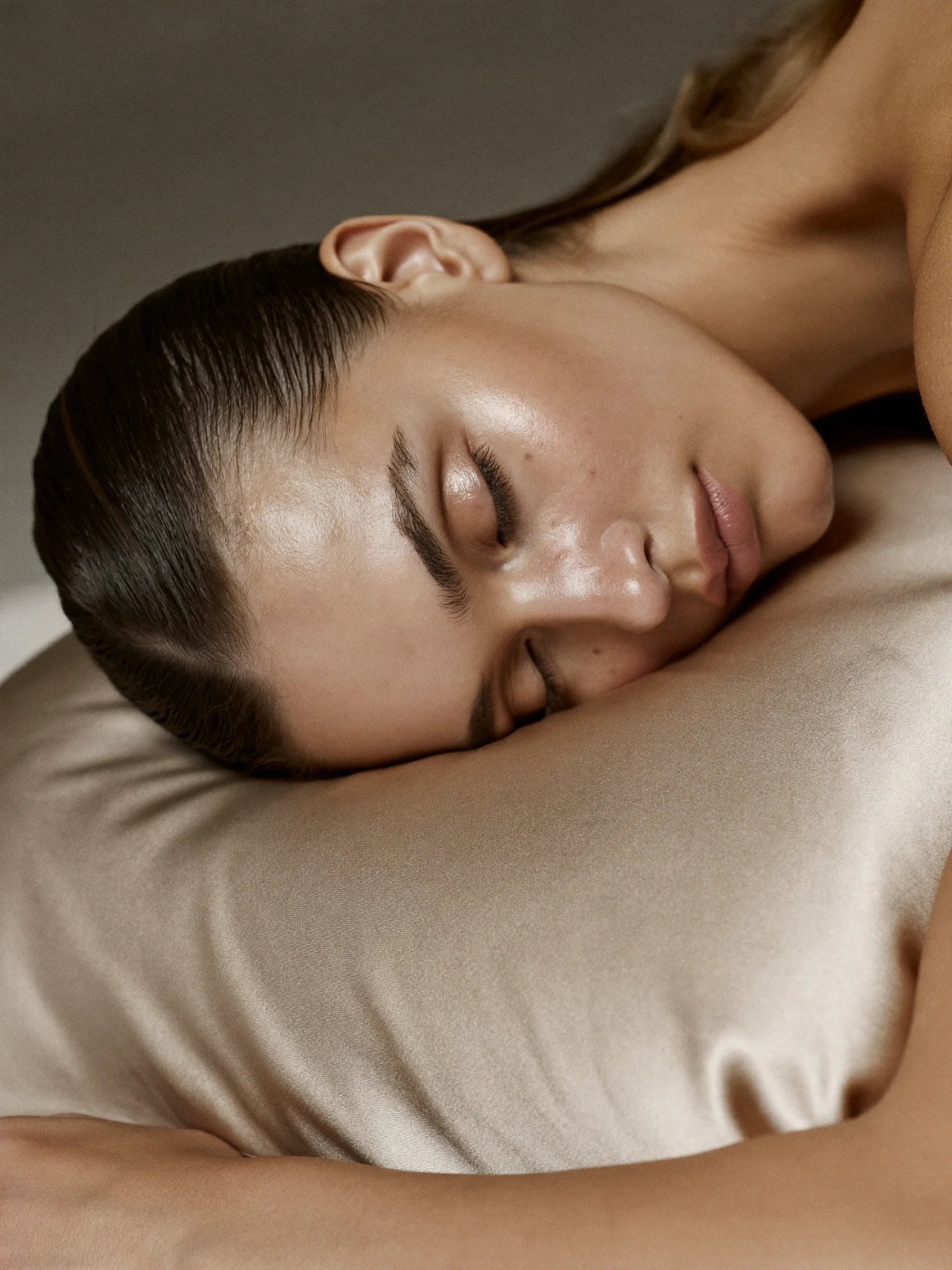
Beauty sleep, made real.
Every night on pure silk means less friction for your hair and skin — waking up smoother, calmer and more rested. The simplest upgrade to your routine.
- ✦Helps prevent frizz and hair breakage.
- ✦Reduces sleep creases and keeps skin hydrated.
- ✦Naturally cool, breathable and hypoallergenic.
The Velvyy difference
Cotton pillowcases tug at hair and draw moisture from your skin. Our 22-momme silk glides, nourishes and keeps you cool.
Velvyy Silk
Cotton case
22-momme pure mulberry silk
✓
✕
Reduces frizz & hair breakage
✓
✕
Prevents sleep creases
✓
✕
Retains skin moisture
✓
✕
Envelope closure, multiple sizes
✓
✕
Specifications
- Fibre
- 100% mulberry silk, Grade 6A long-fibre
- Weight
- 22 momme
- Sizes
- 6, from Standard 50×65 cm / 20×26 in to 50×90 cm / 20×35 in
- Closure
- Envelope, no zip
- Pack
- 1 or 2 pieces
- Colours
- 12
- Care
- Machine wash cold, delicate cycle, mesh bag; line dry
- Shipping
- Free to the United States
- Guarantee
- 30 days
Frequently asked questions
How does silk help my hair and skin?+
Silk's smooth surface creates far less friction than cotton, so hair glides across it instead of catching as you move. That means less frizz, less breakage and fewer morning face creases. Silk also absorbs much less moisture, so your skin and hair keep their own hydration and any night cream you applied.
Which size should I choose?+
Match the size to your pillow: Standard is 20×26 in, Super Standard 20×28 in and Queen 20×30 in, and every option lists both centimetres and inches in the selector. If your pillow falls between two sizes, size up — a slightly relaxed fit drapes better than one stretched tight.
Is it easy to care for?+
Yes. Machine wash cold inside a mesh bag on a delicate cycle with a mild detergent, then lay flat or hang to dry away from direct sun. Skip the tumble dryer, bleach and fabric softener. Cared for that way, it keeps its sheen and its softness wash after wash.
Does it have a hidden closure?+
Yes — every pillowcase uses an envelope closure rather than a zip. The fabric folds over itself inside the case, so your pillow stays tucked in all night. It also means there is no zip, button or hardware of any kind near your face to snag hair or press against skin.
Does a silk pillowcase really reduce hair frizz and breakage?+
Yes. Cotton grips and pulls hair every time you turn over, which is what produces morning frizz and split ends. Silk's smooth, low-friction surface lets hair slide across the pillow instead, so you wake with less frizz, less breakage, less static and noticeably less bedhead to fix.
Is a silk pillowcase good for acne-prone or aging skin?+
Silk absorbs far less moisture than cotton, so your skin keeps its own hydration and the night cream you applied stays on your face instead of soaking into the pillow. Less friction also means fewer sleep creases pressed into the skin, and the naturally hypoallergenic fibre is gentle on reactive skin.
What's the difference between mulberry silk and satin pillowcases?+
Satin is a weave, not a fibre, and it is usually made from polyester. Mulberry silk is a natural protein fibre. The practical difference is heat: silk is breathable and temperature-regulating, while polyester satin traps it against you. Ours is 22-momme Grade 6A mulberry silk, the long-fibre grade.
How often should I wash a silk pillowcase and how?+
Every one to two weeks for most people, and weekly if you use heavy night creams or have acne-prone skin. Hand wash, or use a gentle cold cycle in a mesh bag with a mild pH-neutral detergent. Air dry away from direct sunlight, and avoid bleach and fabric softener entirely.